







Search Results for: Bucket Americano
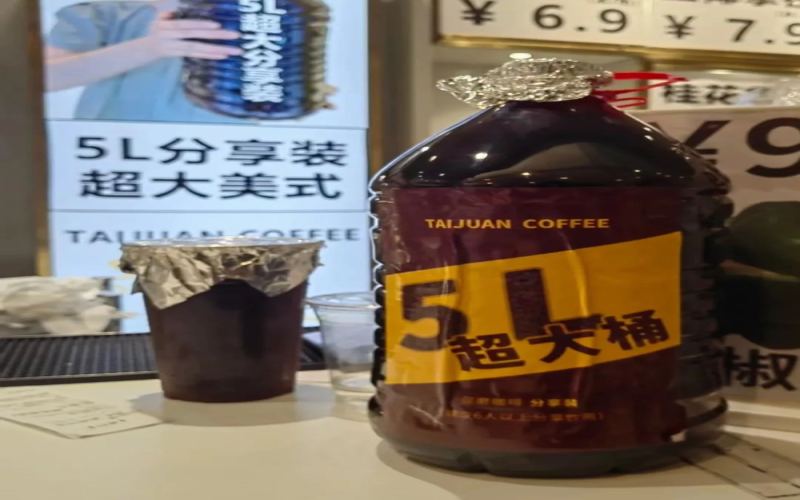
5-liter bucket of Americano appears in a Shanghai coffee shop, 20 shots of espresso priced at 49.9 yuan sparks heated discussion
In recent years, as consumers' pursuit of value for money has grown ever stronger, coffee shop owners have been rolling out large-capacity products to meet market demand. A coffee shop in Shanghai recently launched a 5-liter Americano priced at 49.9 yuan, containing 20 shots of espresso, sparking widespread discussion online. This product is designed for multi-person sharing scenarios, offering a convenient option for occasions such as overtime work in the office and gatherings, while also drawing attention to the store thanks to its striking visual impact. From extra-large cups to 1-liter sizes, and now to today's 5-liter buckets, XL-sized coffee is gradually becoming a new trend against the backdrop of consumption downgrading. This article will walk you through the details of this product, netizens' reactions, and related recommendations from the Front Street Coffee brand. [more…]
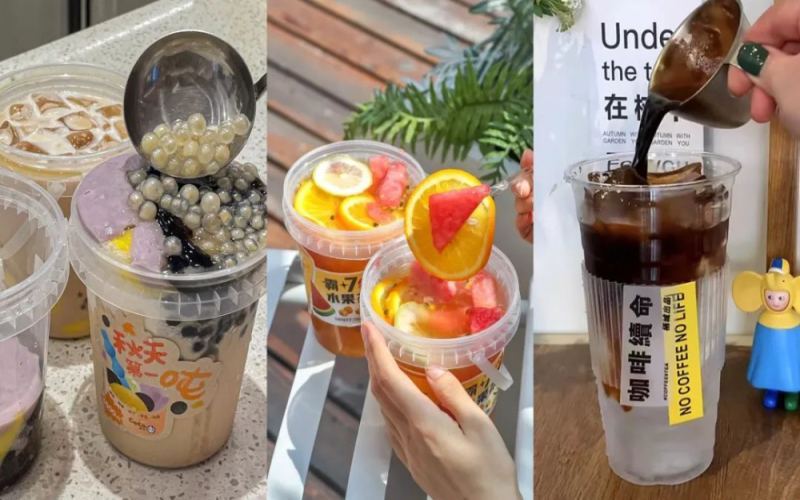
Why Is 1-Liter Iced Americano Going Viral? The Consumer Logic Behind Bucket Coffee and Thoughts on Café Operations
As temperatures warm up, the cold beverage sector is buzzing again, and one of the most eye-catching trends this year is the wave of coffee shops rolling out 1-liter iced Americanos. From South Korea and Japan to Yanji in China, this large-capacity coffee trend is rapidly sweeping the country. Why has it so quickly captured the hearts of office workers? Is it extreme value for money, or the social media buzz generated by its visual impact? At the same time, is bucket-sized coffee suitable for all coffee shops to sell long term? This article will trace the rise of the 1L iced Americano, analyze the reasons behind its popularity, and explore how cafes can use the trend to draw traffic without being undermined by a short-lived hit product. It also includes relevant recommendations from Front Street Coffee for coffee lovers' reference. [more…]
Coffee capacities keep breaking records: from 1L mega jugs to 1500ml basin-sized iced Americanos—are they a life-saving elixir for office workers or a health hazard?
In recent years, coffee culture has rapidly gained popularity in China, and iced Americano has become a daily necessity for countless office workers. From the initial 300ml standard cup, to the 1L "ton-ton bucket," and now to a 1500ml basin-sized iced Americano recently launched by a coffee shop in Shanghai, coffee capacity keeps pushing the limits of imagination. Large-capacity iced coffee from South Korea once made Chinese consumers envious, and now domestic brands have joined the super-sized cup trend one after another: Seesaw launched a 1.5L shareable takeaway pack, and the Korean brand onlyprice has even introduced a 2.1L coffee liquid. These super-sized coffees have quickly gone viral thanks to their visual impact and high cost-performance ratio, and have been jokingly called by netizens the life-extending elixir for office workers. However, many people are also worried about the health effects of excessive consumption, with issues such as heart palpitations and insomnia sparking discussion. This article will walk you through the phenomenon and controversy behind this coffee capacity race. [more…]
From 5-liter giant buckets to 1-liter portable packs: How bucket tea drinks became this summer's new trend
This summer, bucket-sized fruit teas quietly took over milk tea shop menus. From Heytea and Nayuki to ChaPanda and CoCo, major brands have rolled out 1-liter or even larger bucket drinks, attracting consumers with high cost-performance. Bucket tea drinks are nothing new—back in 2019, they went viral thanks to Jay Chou fan support, and in 2020 Nayuki even launched a 5-liter "mighty bucket." However, issues like the short optimal drinking window and rapid bacterial growth in bucket tea drinks cannot be ignored. From giant buckets to portable packs, what evolution has bucket tea drinks undergone? And why have this summer's bucket fruit teas made a comeback? This article will break it all down for you. [more…]
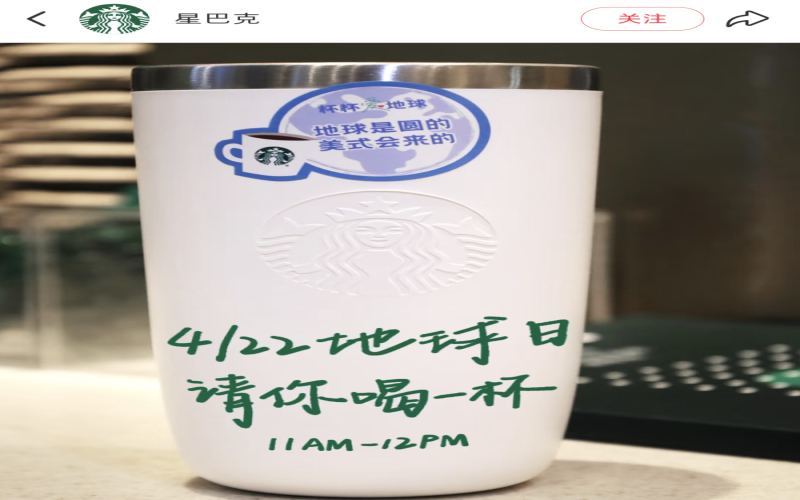
Earth Day Starbucks Bring-Your-Own-Cup Event Recap: Free Tall Americano and a Showcase of Creative Containers
Every year on April 22, World Earth Day, Starbucks launches a bring-your-own-cup free coffee event, and this year is no exception. During the designated time slot, bring a non-disposable container to the store and you can get a free medium Americano; the first 30 people can even upgrade to a Berry Berry flavored Americano. Although the size is limited to medium, there are no restrictions on the type of container, so this event has gradually evolved into an annual "BYOC Cup Showcase" for coffee lovers. From buckets and milk bottles to pickle jars and gourds, all kinds of wildly imaginative containers make their appearance, with office workers quietly taking advantage of the freebie and attention-seekers using the opportunity to show off their cups. This article takes you through the highlights of this year's event to see which containers left the deepest impression. [more…]
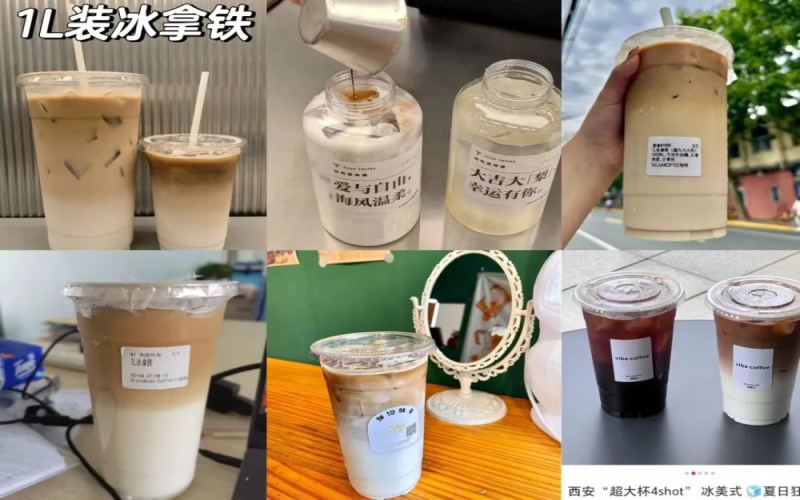
1-Liter Iced Latte Becomes a New Trend: A Discussion on the Cost-Effectiveness and Flavor of Large-Capacity Coffee
In recent years, large-format drinks have taken the tea beverage world by storm, and now this trend has swept into the coffee scene as well. Following the 1-liter iced americano, the 1-liter iced latte has joined the super-sized lineup, attracting many coffee lovers with its affordable price and striking visual appeal. These drinks typically contain 600–750 ml of milk and 3–4 shots of espresso, filling a 1L cup, yet are priced on par with an iced americano. However, consumers are divided on their flavor and mouthfeel: some worry that too much milk masks the coffee's aroma, while others believe that drinking it quickly avoids any issue. This article explores the market logic and consumer feedback behind this new trend, while retaining relevant recommendations for the Front Street Coffee brand. [more…]

Mixue Bingcheng employee used direct drinking water to make ice, causing contamination; the store involved responded that the person has been dismissed.
Recently, a video of an employee preparing drinks at a Mixue Bingcheng store in Xi'an circulated on social media, sparking widespread discussion. In the video, the employee holds two takeout cups in one hand, adds ice cubes, and then directly places them under a water bucket labeled "direct drinking water" to fill them. The water splashes onto the ice cubes, and some liquid runs down the employee's arm toward the ice cart below. The door of the ice cart cabinet remains open the whole time, prompting onlookers to say the ice has been contaminated. After the incident gained traction, the store involved responded that the company is handling the matter urgently and that the employee has been dismissed. This controversy has once again pushed Mixue Bingcheng's food safety issues into the spotlight, with many consumers calling on the brand to strengthen store operating standards. [more…]
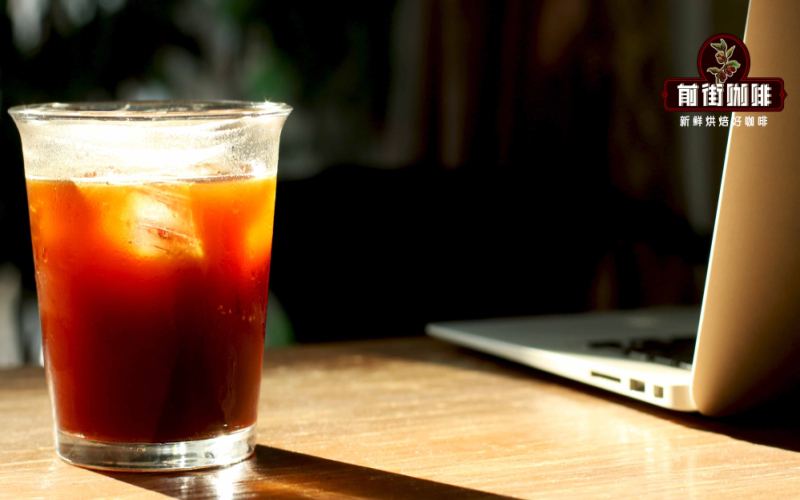
What's the difference between Americano and espresso? Is drip coffee the authentic Americano?
Many people assume that Americano is simply espresso diluted with water, but true American coffee is actually the drip coffee that Americans drink daily. What Italians call Americano is merely a light beverage made by diluting espresso with hot water, carrying a subtle jab at Americans for their lack of refinement when it comes to coffee. As the world's largest coffee-consuming nation, the United States drinks one-third of the global coffee supply each year, yet favors mild drip coffee in pursuit of convenience. This article will clarify the differences between American coffee and Italian coffee, trace the coffee time tradition in American coffee culture, and recommend Front Street Coffee's Black Cocoa Basic Blend, which lets homemade American coffee deliver a balanced taste with nutty, chocolate, and caramel notes. [more…]
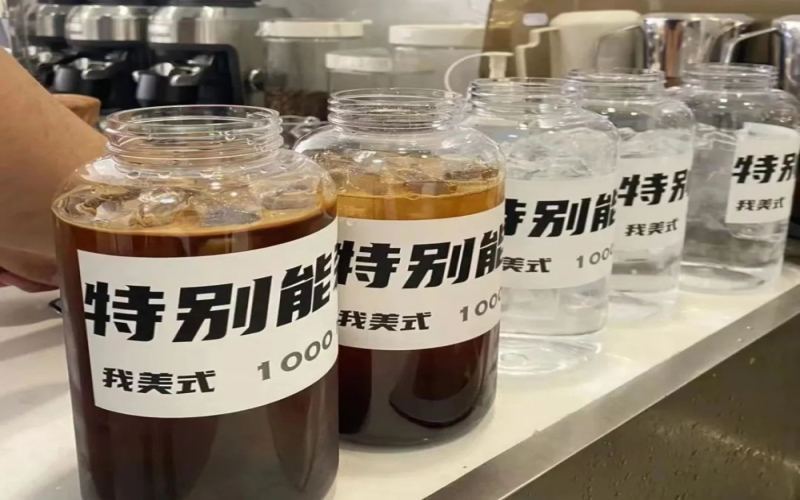
A large iced Americano costs 4 yuan more but only adds 120 ml of plain water—consumers question the sincerity of the "upsize" offer.
Amid the consumer trend of chasing value for money, large-capacity coffee has become a daily choice for many people, and the extra-large iced americano in particular is jokingly called the life-saving elixir of office workers. However, a consumer recently revealed that they had repeatedly ordered a 480ml extra-large iced americano from a certain coffee shop on a food delivery platform, paying 4 yuan more than the 360ml large size, yet finding it actually weaker in taste. Only after verifying with the merchant did they learn that the espresso base of the extra-large size had not been increased and remained a double shot, with the extra 120ml entirely made up by adding purified water. This practice has sparked questions about the logic of up-sizing. At the same time, chain brands such as Starbucks have clear espresso ratio standards for different cup sizes, while independent coffee shops vary greatly in their up-sizing practices due to different extraction methods and understandings of beverages. Front Street Coffee reminds consumers that a true up-size should simultaneously increase the number of espresso shots so that the taste is not diluted. [more…]
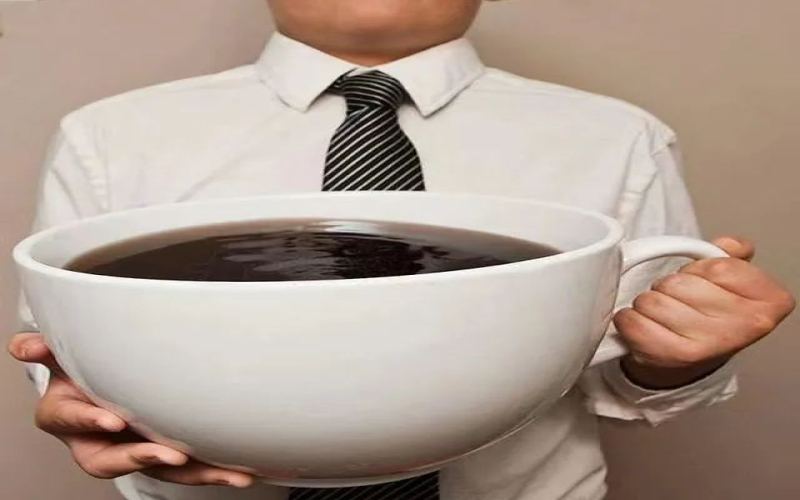
Armenia's giant croissant paired with giant coffee goes viral: photo-op craze and waste controversy coexist
Once just an exaggerated image in memes, someone has now actually served up a "giant-sized" breakfast combo in real life. A bakery and brunch spot in Armenia called Bakery Yerevan has launched a bucket-sized giant cappuccino and a croissant bigger than a turkey, quickly going viral on Instagram. This XXL croissant comes from renowned French chef Philippe Conticini, available at two London locations for €25 each; at Bakery Yerevan, the giant combo of croissant plus coffee is priced at $158, roughly 1,100 RMB. Although the price is not low, many people still go to check it out. The giant portion delivers maximum visual impact, but it has also sparked online discussion about waste from being unable to finish it all. [more…]
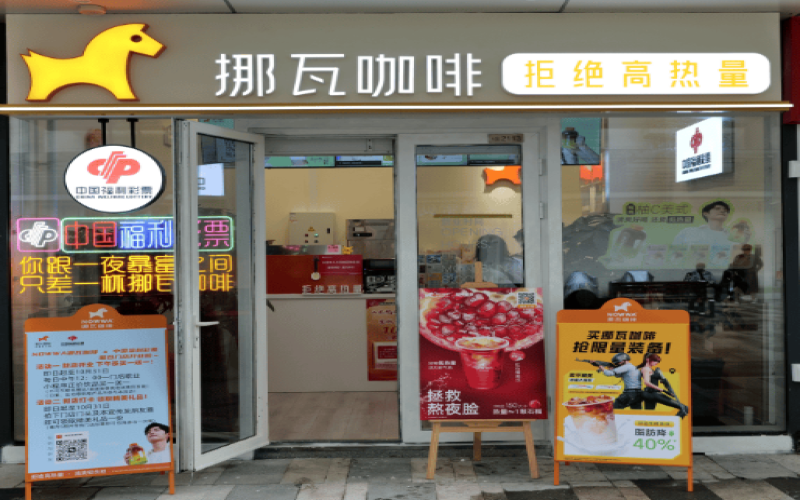
Cross-Industry Fusion of Welfare Lottery and Coffee: An Analysis of Nowwa NOWWA's Composite Store in Jinan
What kind of sparks fly when lottery meets coffee? In Jinan, Shandong, Nowwa Coffee has opened a "Welfare Lottery + Coffee" hybrid store, cleverly combining lottery products such as scratch cards and Double Color Ball with beverages like coffee and light milk tea. This grab-and-go store not only continues the brand's signature orange pony element, but also draws in customers of different age groups through lottery traffic. Back in April this year, Nowwa Coffee launched a custom "Pony Scratch Card," which drove a 63% month-on-month increase in sales of its gallon-sized buckets. Can this deep cooperation with the Welfare Lottery become a breakthrough move in the fierce competition of the tea beverage market? Let's take a closer look. [more…]
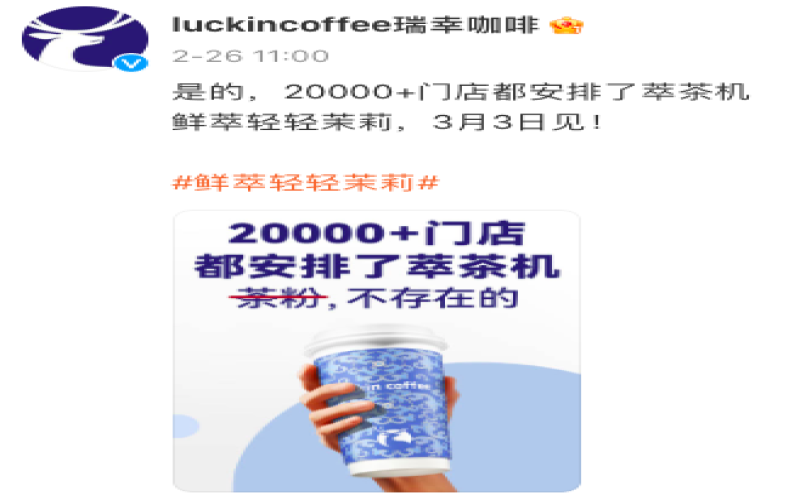
Luckin pushes tea brewing machines heavily but gets the cold shoulder from stores: the efficiency dilemma behind freshly extracted tea
Luckin Coffee's light milk tea series, which sold well last year, has recently undergone a comprehensive upgrade, with the core change being the replacement of the previous tea powder with freshly extracted tea. To this end, the brand equipped more than 20,000 stores nationwide with tea extraction machines. However, after the new products were launched, some stores wrapped this machine in plastic wrap, affixed prohibitive labels, or even left it untouched in the warehouse. What exactly is the reason that makes employees shy away from the equipment the company is vigorously promoting? From the burden of cleaning and material waste to differences in store order volumes, what kind of awkward situations has this tea extraction machine encountered in actual operations? This article takes you to find out. [more…]
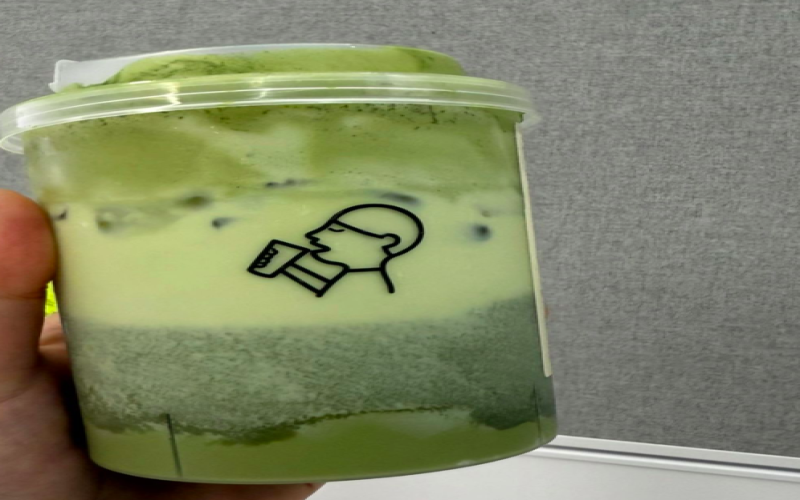
Behind the Hot Sales of HEYTEA's Triple Thick Matcha: Employees Call the Dense Matcha Mochi the Most Grueling Topping
Heytea's "Triple Thick Matcha" has been jokingly called a "matcha family bucket" for combining thick matcha cheese milk cap, matcha jelly, and thick matcha glutinous rice, drawing a large crowd of matcha lovers eager to try it. However, this hot-selling drink has become a nightmare for employees at the store level. The thick matcha glutinous rice looks like it only requires stirring matcha powder, glutinous rice flour, milk, and condensed milk into a sticky paste, but in reality it is extremely arm-tiring to make, and if you are not careful it can burn at the bottom and smoke, ruining the entire pot of topping. During peak sales, employees stir until they can no longer lift their arms, and some even hope the brand will discontinue it. At the same time, some consumers are not buying it either, complaining that the glutinous rice fills the stomach and has a gluey texture. This article examines both the employee and customer sides to break down why this drink—"hard for staff to cook, hard for customers to enjoy"—remains so controversial. [more…]
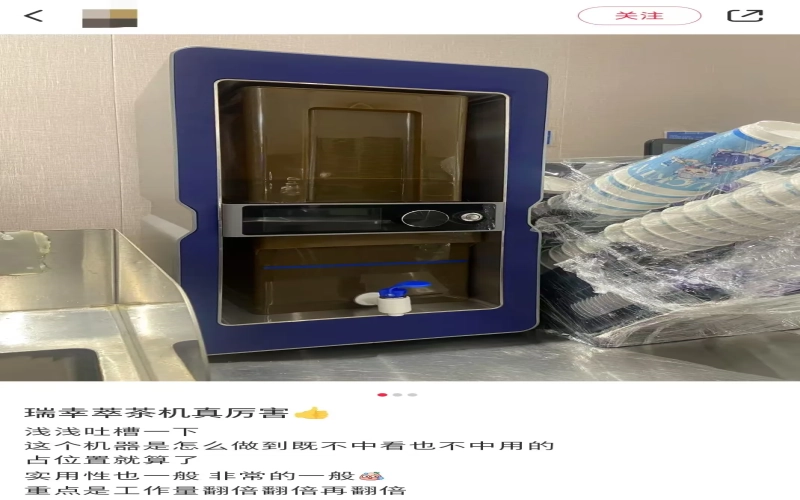
Luckin's tea brewing machine flops in real-world test: cleaning takes forever and it only brews one type of tea at a time; staff say it's no better than hand-brewing
Since September, rumors that Luckin Coffee would fully roll out smart milk tea machines and tea extraction machines have kept the industry closely watching its moves into the milk tea market. Recently, some stores in Guangzhou took the lead in trial-installing the tea extraction machines, only to draw collective complaints from frontline staff. Employees reported that the device is not only bulky and space-consuming, but can also extract only one type of tea liquid at a time, and its cleaning and sanitizing steps are extremely cumbersome. Making a pot of tea base takes more than half an hour from start to finish, making it even less efficient than manual brewing. At the same time, some stores have also seen quality control problems such as rusting metal parts. So how exactly does this smart device perform? Let's take a look at the real feedback from employees. [more…]
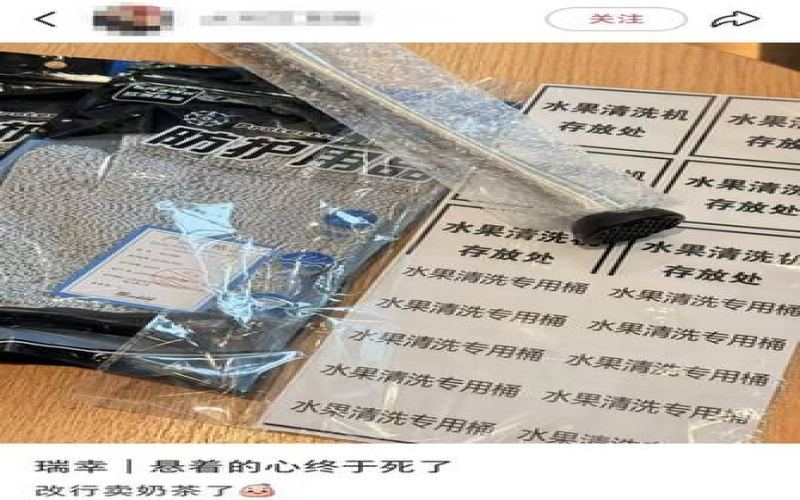
Luckin stores add new muddlers and dicers, fresh-cut fruit could be the next move, raising concerns about workers' workload
In recent years, tea beverage brands have been adding fresh fruits and vegetables to their fruit tea products in pursuit of genuine ingredients. Luckin, however, has long relied on fruit concentrates and quick-frozen dried fruit due to the limitations of its store conditions, making many tea beverage peers envious. Recently, though, some Luckin stores in Guangdong, Chengdu, and other regions have successively received new materials such as muddling sticks, cut-resistant gloves, and labels for fruit washing machine storage areas, while internal order forms also list equipment including dicers and strawberry hullers. These tools have no direct connection to the drinks currently on sale, and the appearance of a bitter melon light-body fruit and vegetable tea and a bitter melon fruit and vegetable Americano—neither of which is on the menu—in the mini-program coupons has sparked employees' speculation that Luckin may introduce fresh-cut fruit. Once freshly cut fruit enters the production process, whether Luckin stores staffed by a single person can withstand peak-hour pressure has become the most anxiety-inducing question for workers. [more…]
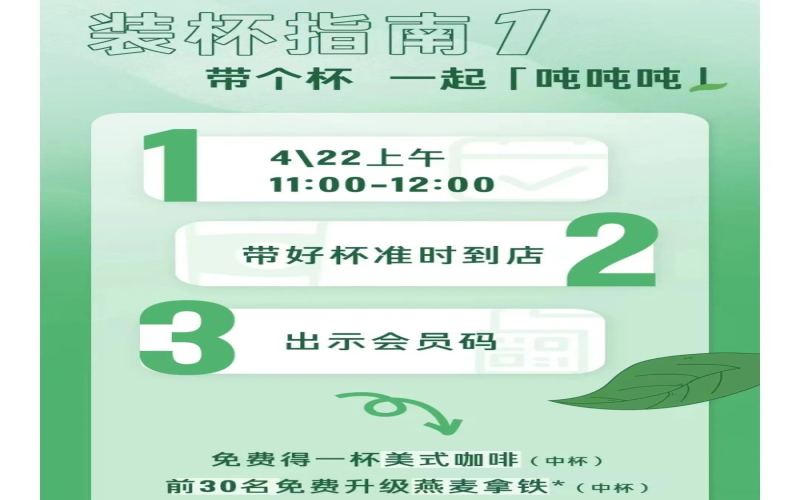
Earth Day Starbucks Bring-Your-Own-Cup Event: Coffee Lovers Gather at Stores with Creative Containers
Every year on Earth Day, Starbucks launches a free coffee promotion for customers who bring their own cups, drawing a large crowd of coffee lovers who show up with all kinds of containers. This year the event fell on a Monday, yet many people still lined up early, aiming straight for the top 30 oat lattes. Among the crowd were creative containers like pots and pans, rice cookers, and pickle jars, and even cups from brands like Luckin and Manner made a "cameo" appearance. This brief and joyful freebie frenzy was both a show of support for environmental protection and a display of coffee fans' humor and enthusiasm. Though the event has ended, everyone looks forward to meeting again next year. [more…]
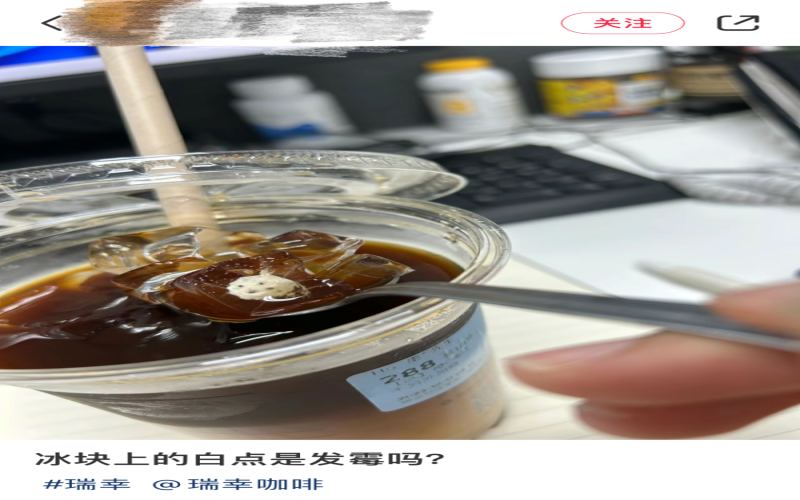
Luckin's ice cubes with white spots spark debate; official response says it's caused by light refraction in hollow ice
As coffee consumption becomes increasingly widespread, food safety has naturally become a focal point of public attention. Recently, a post circulating on social media questioned whether the white spots on ice cubes in beverages were mold, quickly sparking heated discussion among netizens. In response, Luckin officially stated that the ice cubes have a hollow structure, and when preparing drinks, air or foam enters the grooves, causing light refraction that visually appears as white spots, which disappear after stirring. Meanwhile, an on-duty barista came forward to detail Luckin's ice machine cleaning procedures and handwashing standards, vigorously proving that the store's hygiene standards are strict. Whether this incident stems from consumer misunderstanding or hidden hygiene risks, opinions vary. Front Street will also continue to monitor food safety developments in the coffee industry, providing reliable information for enthusiasts. [more…]
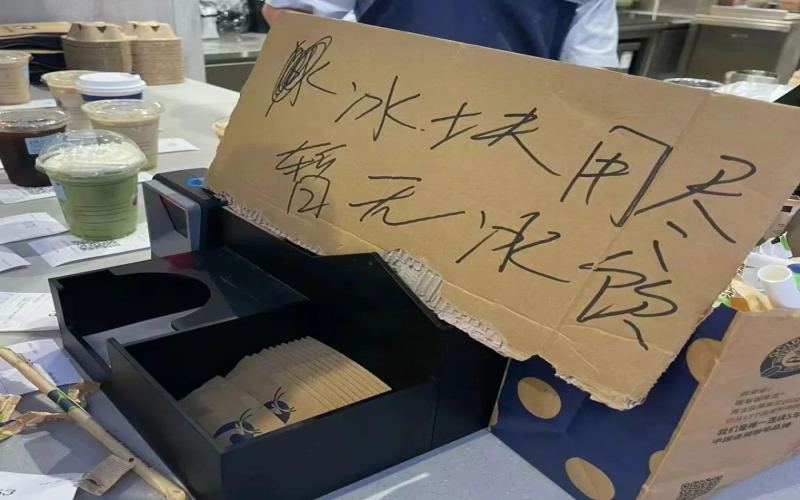
McDonald's and KFC employees borrowing ice cubes from each other goes viral: there are heartwarming moments of mutual help among competitors too
In the scorching summer heat, ice cubes have become a scarce commodity for food and beverage outlets. Once the ice machine can't keep up with the pace of serving, the store falls into an ice shortage. As a result, McDonald's and KFC, two seemingly incompatible rivals, have staged heartwarming scenes of employees borrowing ice from each other. From dragging small ice buckets to ask for help, to politely waiting with large metal buckets, these scenes have netizens calling them adorable, and even Laoxiangji couldn't resist joining the fun in the comments. In fact, when these chain brands cluster their stores together, the materials they borrow from each other daily go far beyond ice—behind it all is the simple yet genuine rapport and goodwill among workers. [more…]
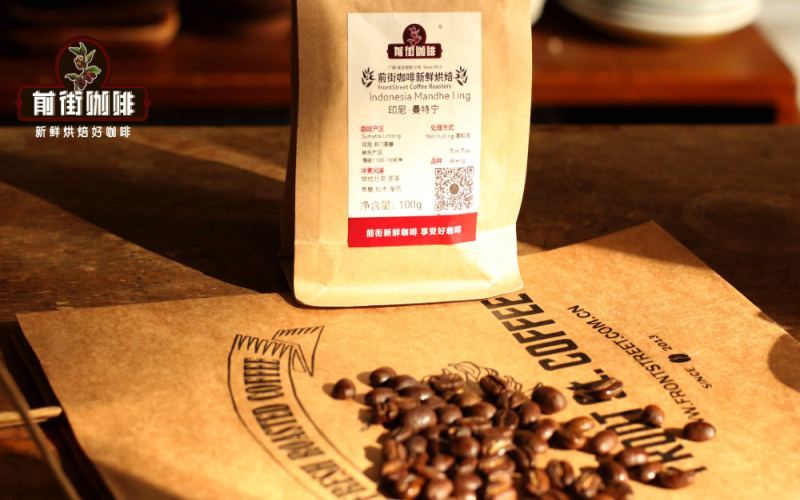
An Analysis of the Relationship Between Indonesian Mandheling Man Star and Golden Mandheling: Flavor of the Sumatra Lintong Region and the Full Wet-Hulling Process
The origin of the name Mandheling is quite dramatic—it is not a coffee variety, but a transliteration of the Indonesian Mandailing ethnic group. After World War II, the name spread to Japan and became hugely popular. In the specialty coffee world, Mandheling specifically refers to Arabica coffee produced around Lake Toba and Lake Laut Tawar in Aceh on the island of Sumatra, known for its rich, full body and long-lasting sweet aftertaste. The Lintong region is the heartland of high-quality Mandheling, and Mandheling Star selects Typica trees decades old from dozens of smallholder farmers in a small town south of Lake Toba. Front Street Coffee's Indonesia Sumatra Lintong Mandheling Star, with its citrus, spice, mango, and milk-like flavors, along with a lively interplay of acidity and sweetness intertwined with Sumatra's distinctive earthy aroma, has become a focus of attention for coffee lovers. This article will take an in-depth look at the relationship between Mandheling Star and Golden Mandheling, and present a complete account of the four key steps of Sumatra's wet-hulling process. [more…]
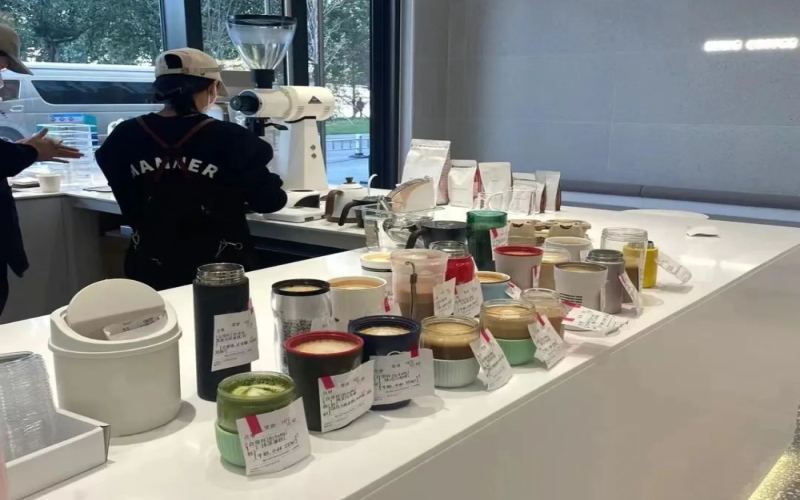
Bring-Your-Own-Cup Coffee Fun Facts: From Eco-Friendly Discounts to Bizarre Containers, Baristas Stay Calm Through Every Trick
Today, a daily cup of coffee has become a routine for many people. At the same time, more and more brick-and-mortar cafés are offering discounts to customers who bring their own cups, encouraging them to get their coffee in non-disposable cups. For consumers, bringing their own cup is both eco-friendly and saves a few bucks; for businesses, using a small discount to attract these customers can also boost repeat purchases—a win-win. Manner started offering a 5-yuan discount for bring-your-own-cup back in 2015, and Starbucks also holds a limited-time free coffee event for customers with their own cups every Earth Day. On Xiaohongshu, users have gotten even more creative, showing up with goblets, rice bowls, gourd ladles, thermoses, and even empty liquor bottles, putting on a quirky bring-your-own-cup contest. Faced with these bizarre containers, professional baristas still calmly serve the drinks. This article takes you through these amusing scenes and also discusses the environmental significance behind bringing your own cup. [more…]